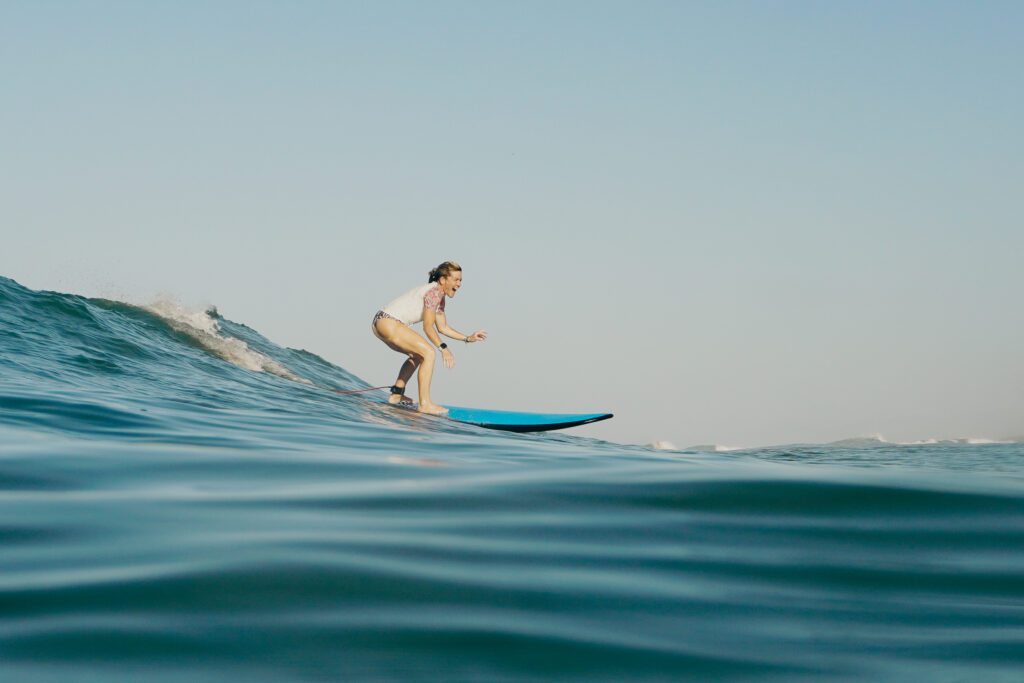
The Complete Guide to Santa Teresa for First-Time Visitors
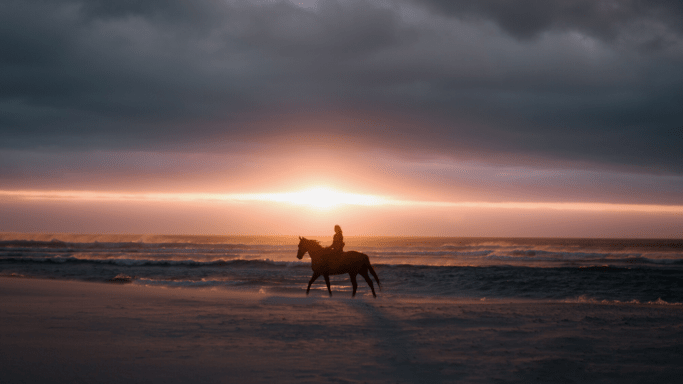
Santa Teresa, Costa Rica
Santa Teresa doesn’t announce itself. There’s no airport, no resort strip, no arrival hall with brochures. You get here by ferry, by small plane, or by road — and somewhere along the way, usually right around the moment you round the last curve and catch your first glimpse of the Pacific, you understand why people keep coming back.
This is one of the most magnetic beach towns in Central America. Forbes named it one of the best beach towns in the world. Surfers discovered it decades ago. Then came the yogis, the chefs, the creatives, the solo travelers looking for something real. What they built — mostly by accident, mostly because the place asked for it — is a community-driven, bohemian stretch of coastline unlike anywhere else in Costa Rica.
This Santa Teresa Costa Rica travel guide covers everything a first-time visitor needs: the best beaches, what to do, where to eat and stay, how to get here, and what nobody tells you until you’re already on the road.
Why Santa Teresa? Here’s What Makes It Different
There are beautiful beaches all over Costa Rica. What makes Santa Teresa different isn’t the sand — it’s the spirit.
The town runs on a rhythm dictated by the ocean. Mornings start early with surf and yoga. Afternoons slow to shade, fresh ceviche, and hammocks. Evenings belong to the sunset — which, here on the Pacific coast, arrives big and warm and worth stopping everything for.
What you won’t find: mega-resorts, chain restaurants, or the sense that you’re inside a tourism machine. What you will find: a tight-knit international community, outstanding food at every price point, one of the best yoga and wellness scenes in Central America, and some of the most consistent beginner-friendly surf breaks in Costa Rica.
The vibe is bohemian but not rough. Laid-back but not sleepy. It’s the kind of place where a world-class chef opens a beachfront restaurant, and a first-time surfer catches her first wave at 55, and both of them feel completely at home.
Where Is Santa Teresa, Costa Rica?
Santa Teresa is located on the southern tip of the Nicoya Peninsula, on Costa Rica’s Pacific coast. It shares a continuous 10-kilometer stretch of coastline with the neighboring villages of Playa Carmen and Mal País — together they form one of the most celebrated surf destinations in Central America.
Getting here takes effort. San José is only about 150 kilometers away as the crow flies, but the journey — by shuttle, car, or small plane — takes 4 to 7 hours depending on your route. That’s part of the deal. The people who make it here tend to want to be here.
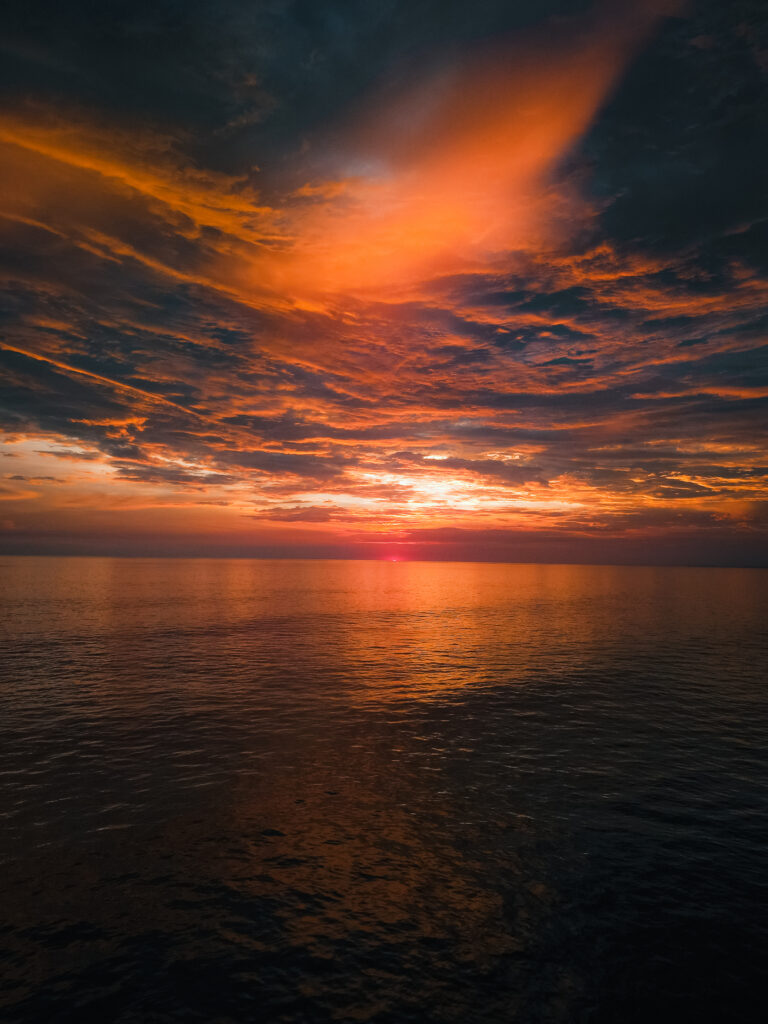
Santa Teresa, Costa Rica
The Beaches of Santa Teresa
The Santa Teresa coastline isn’t one beach — it’s a series of distinct stretches, each with its own character.
Playa Carmen
The heartbeat of town. Sandy bottom, consistent waves, surf schools right on the beach. This is where most first-timers learn to surf and where the evening crowd gathers to watch the sunset. Easy to walk to from most accommodations in the area.
Playa Santa Teresa
Head north and the beach gets wilder and quieter. Playa Santa Teresa has a more powerful break and a looser, more local feel. Stunning at golden hour — this is the stretch that shows up in every good photograph of the area.
Playa Hermosa
Quieter still. Longer, emptier, with tide pools worth exploring at low tide. A natural stop on any ATV day heading north.
Mal País
Rocky, dramatic, built for advanced surfers and those who want solitude. The name means “bad country” — the road earns that. The reward is one of the most raw and beautiful corners of the coast.
Manzanillo
The furthest stretch north, accessible by ATV or 4×4. Secluded, pristine, and rarely crowded. Worth the extra effort.
What to See and Do in Santa Teresa
Surf
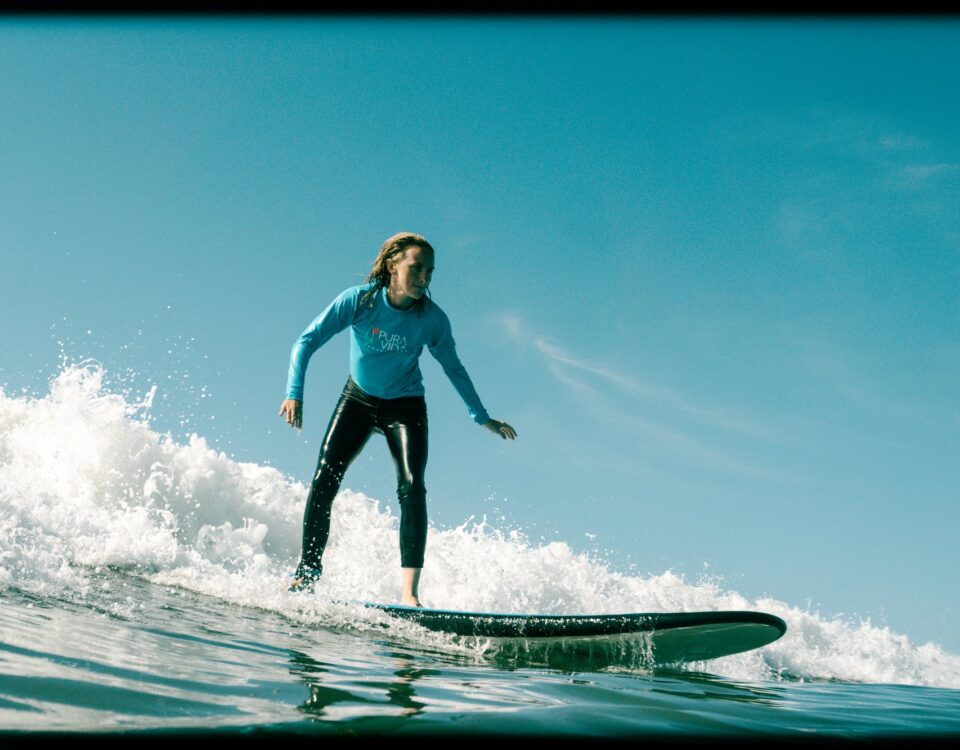
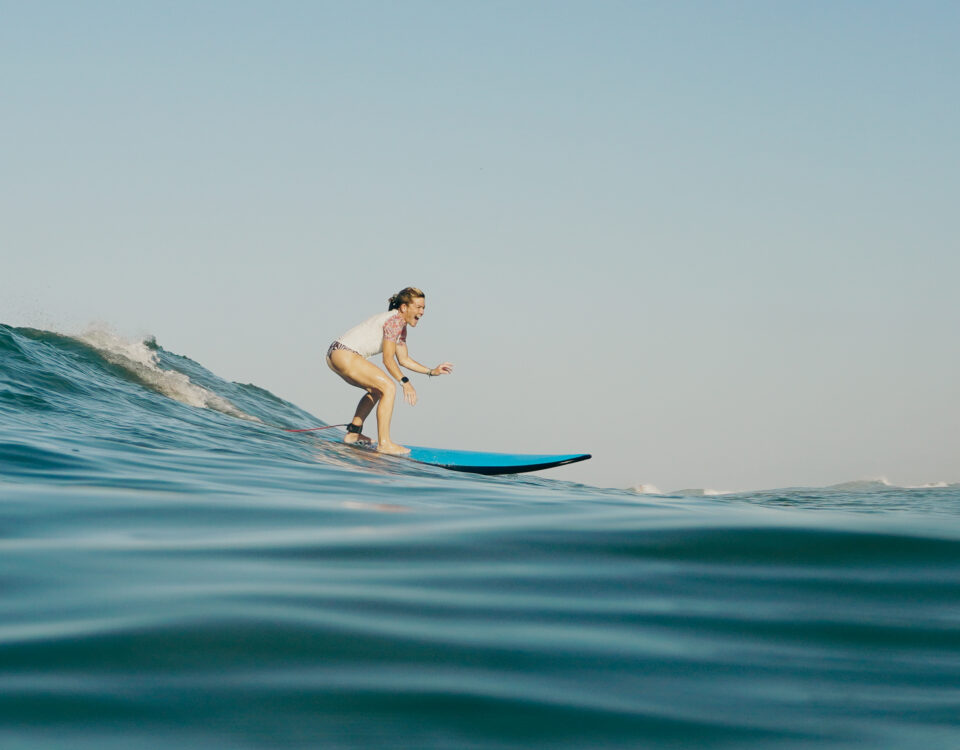
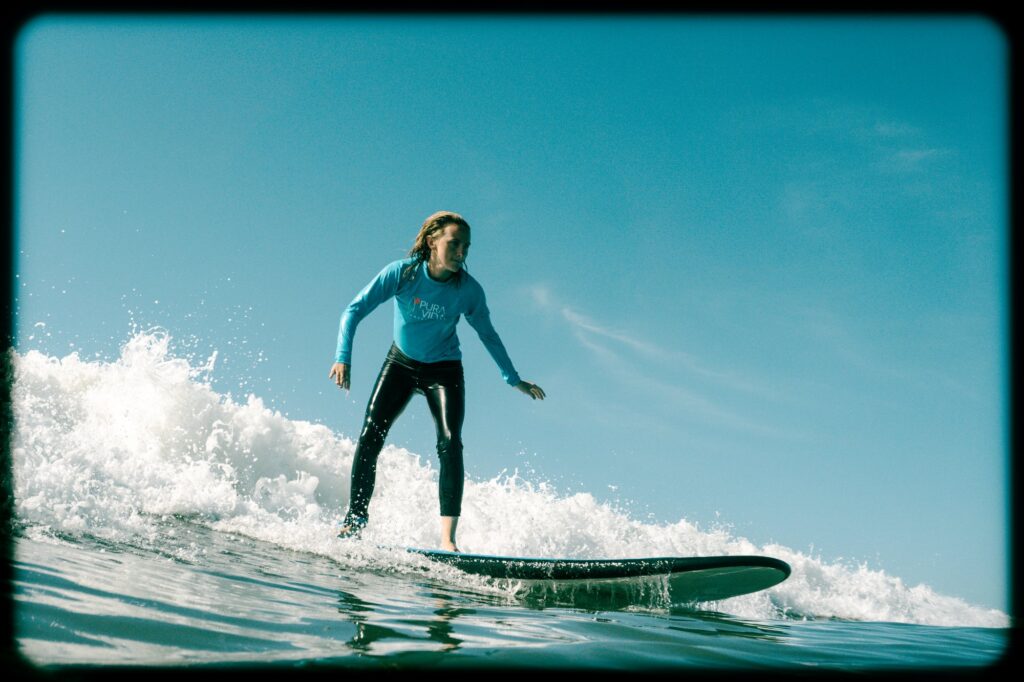
Santa Teresa is a genuine beginner’s paradise. The sandy beach breaks at Playa Carmen and Playa Santa Teresa are forgiving, consistent, and staffed by experienced instructors who specialize in first-timers. Most visitors can stand up and catch their first wave within a day or two of lessons.
Surf schools and board rentals:
- Santa Teresa Surf School — one of the most established in the area
- Jobbies Surf Shop — board rentals, local knowledge, centrally located
Yoga and Wellness
Santa Teresa has one of the strongest yoga cultures in Central America. Studios range from sunrise beach flows to advanced ashtanga, and most welcome drop-in visitors.
The standout wellness experience in town is Yoga Spa Natural at Hotel Tropico Latino — two beachfront yoga decks with certified instructors for beginner and advanced classes, private sessions, acro yoga, couples yoga, and family yoga. The on-site spa uses only natural Balinese-inspired products: massages, wraps, facials, and healing treatments. Open to non-guests.
Other studios worth knowing:
- Horizon Hotel & Yoga Center — rooftop classes with panoramic ocean views, drop-in friendly
- Believe Surf & Yoga — beloved by locals and long-term travelers
- Funky Monkey Lodge — varied styles, great for beginners
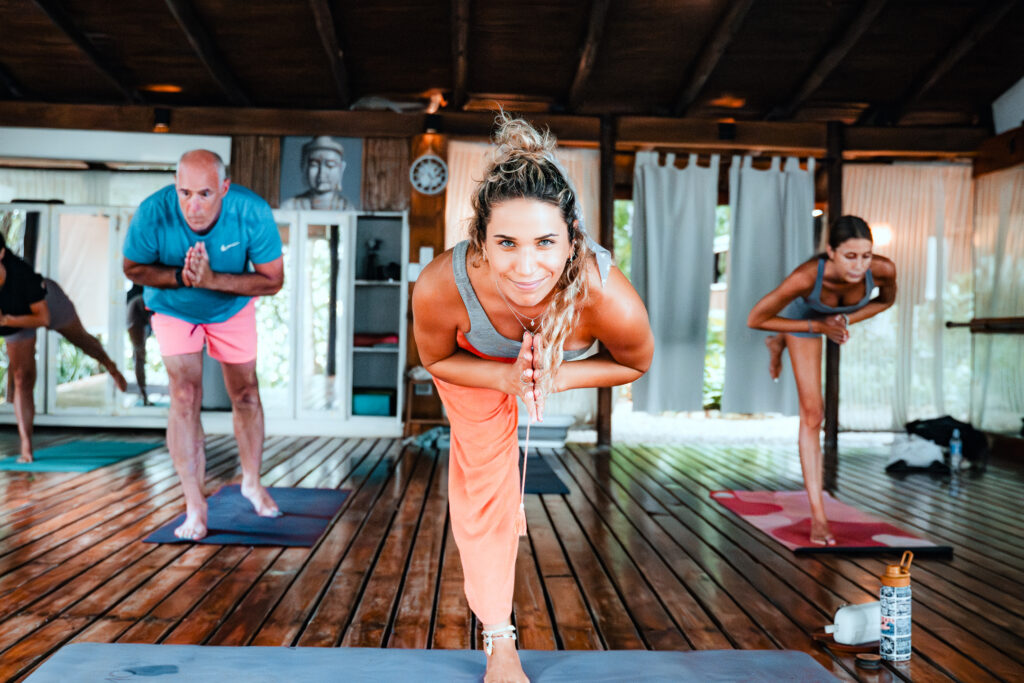
Natural Integrative Wellness
Ziplining
The Mal Pais Canopy Tour via Zuma Tours is one of the best activity days in the area: 8 cables, a suspension bridge, a Tarzan swing, and — only in Santa Teresa — a zipline on a surfboard. Zuma Tours also offers a Montezuma canopy combo that pairs 9 cables with a stop at the falls.
ATV and Exploring
Renting an ATV ($50–70/day) is the best way to experience the full coastline — from Playa Carmen south to Mal País and north to the hidden beaches at Manzanillo. A guided ATV day trip to Montezuma is one of the most popular excursions in the area. Book through Zuma Tours or Viator.
Fishing
The Pacific waters off the Nicoya Peninsula offer excellent sport fishing — mahi mahi, roosterfish, wahoo, and sailfish depending on the season. Full and half-day trips available through Zuma Tours and Day Trips Costa Rica.
Snorkeling — Tortuga Island
A full-day boat trip to Isla Tortuga is one of the most rewarding day trips from Santa Teresa. The tour includes snorkeling in clear water, a good chance of spotting dolphins and manta rays on the crossing, and lunch on the island. Tours run about 6–7 hours. Book through Zuma Tours or Isla Tortuga Tour.
Montezuma and the Waterfalls
About 40 minutes south, Montezuma is a small, artsy, bohemian town with a completely different energy — and one of the best waterfall experiences in Costa Rica. Three tiers of cascading water, a natural pool at the base, a 20-minute jungle hike to get there. Combine it with the canopy tour for a full day out.
Cabo Blanco Nature Reserve
Costa Rica’s first protected natural area, at the very tip of the Nicoya Peninsula. Dense primary forest, howler monkeys, white-faced capuchins, and an empty beach at the end of a quiet trail. A worthwhile half-day trip from Santa Teresa.
Where to Eat in Santa Teresa
The food scene here genuinely surprises people. A town this small should not have this many outstanding restaurants — but the international community that settled over the decades has built something exceptional, from beachfront farm-to-table kitchens to $5 local sodas that will ruin you for other ceviche.
⭐ Shambala at Hotel Tropico Latino
The most distinctive dining experience in Santa Teresa. Shambala is a beachfront, farm-to-table restaurant led by Chef Randy Siles — named an ambassador of Costa Rica’s National Plan for Sustainable and Healthy Cuisine. The menu uses local, native ingredients: grilled mahi mahi salads at lunch, perfectly cooked catch-of-the-day filets at dinner. Saturday nights, the beach comes alive with a seafood BBQ under the stars and live music. If you only splurge once in Santa Teresa, make it here.
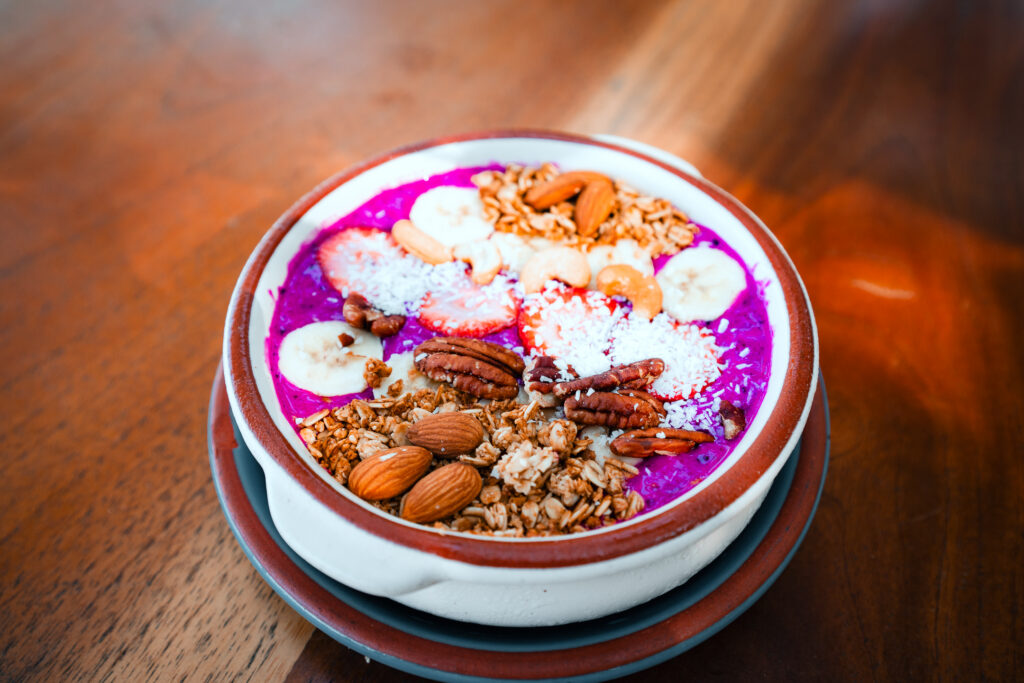
Shambala Restaurant, Santa Teresa
The Bakery — Everything made from scratch, from croissants and smoothie bowls in the morning to wood-fired pizza and pasta at night. Air-conditioned, great service. The most consistent restaurant in town.
Katana — Asian fusion dinner in a jungle setting with string lights and lush greenery. Pad thai, butter chicken, creative sushi rolls. Book ahead — fills up every night in high season. See on TripAdvisor →
Somos — All-day cafe and surf shop with a vintage airstream bar as its centerpiece. Funky, welcoming, excellent at every hour of the day.
Ani’s Bowls — Beachfront, vegetarian and vegan-friendly, gluten-free options. Best acai bowls in town. See on TripAdvisor →
El Facon — Argentinian wood-fired kitchen, clay oven, live music most evenings. The BBQ pork sandwich is outstanding. See on TripAdvisor →
Uma Beach Club — Sunset destination with a DJ, Mediterranean-style seafood tapas, and cocktails on the beach. See on TripAdvisor →
Soda Tiquicia — A local soda where you eat what Costa Rica actually eats: gallo pinto, casado, and fried red snapper with generous portions and prices that won’t hurt. Go at least once.
Where to Stay in Santa Teresa
Accommodations range from beachfront bungalows and boutique villas to budget hostels steps from the surf. The rule: book early if you’re visiting December through March. Good rooms disappear fast.
⭐ Spotlight: Hotel Tropico Latino
Hotel Tropico Latino is the most complete beachfront wellness experience in Santa Teresa. Bungalows built from exotic hardwoods sit inside old-growth tropical forest canopy right on the sand — with two beachfront yoga decks, the Yoga Spa Natural, the Shambala restaurant, and a pool, all on property. Options range from beachfront suites and glamping-style junior suites to full one-bedroom bungalows. 4.5 stars, over 1,000 reviews. Spa and yoga classes are open to non-guests. Read reviews on TripAdvisor →
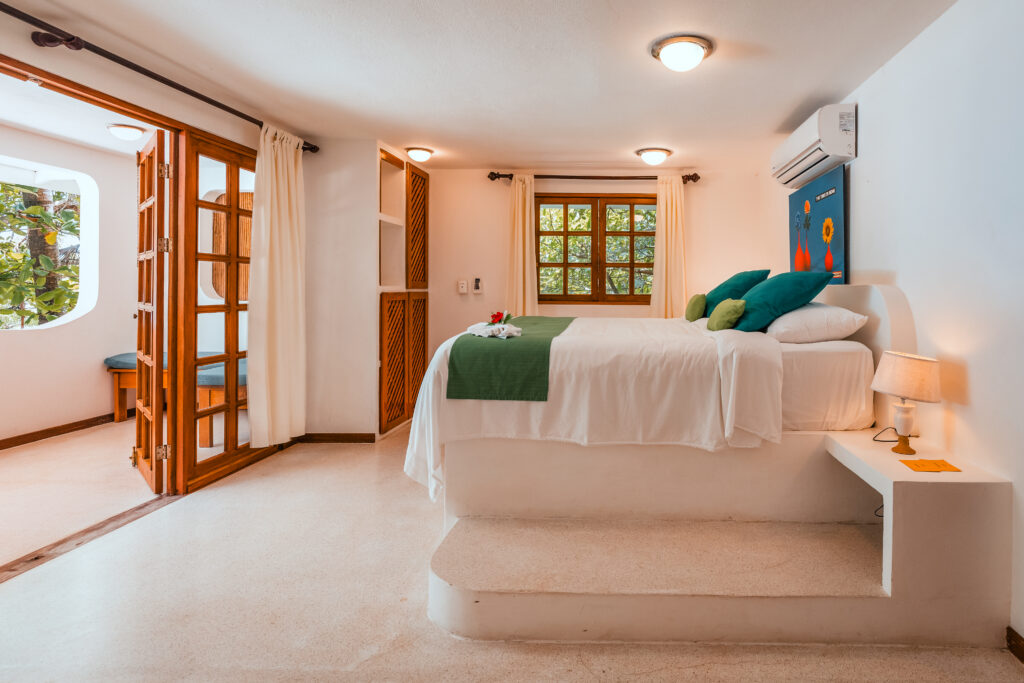
Hotel Trópico Latino, Santa Teresa
Luxury
- Nantipa — ultra-boutique, beachfront, world-class spa, home to restaurant Manzú
- Florblanca — private villas, Asian-inspired design, acclaimed spa
- Hotel Fermata (opened December 2025) — 35 rooms directly on the La Lora surf break, Chef Olivier Palazzo’s oceanfront restaurant
Mid-Range
- Horizon Hotel & Yoga Center — hillside, 5-minute walk to beach, rooftop yoga with ocean views
- Mint Santa Teresa — boutique, walking distance to everything on Playa Carmen
- Selva Boutique Resort — private hillside surrounded by jungle, intimate and well-run
Budget
- El Hotel Luz de Luna — tropical gardens, communal kitchen, great value for solo travelers
- La Posada — hostel-style, pool, welcoming community atmosphere
→ Browse all Santa Teresa hotels on TripAdvisor
Best Time to Visit Santa Teresa, Costa Rica
Santa Teresa has two seasons — and the honest answer is both are good, just different.
Dry season (November–April) is peak. Reliable sunshine, drier roads, smaller and more manageable waves ideal for beginners. December through March is the busiest stretch — book accommodation and surf lessons well in advance.
Green season (May–October) brings afternoon showers, lush landscapes, lower prices, and a quieter version of town that many repeat visitors prefer. May through July is a sweet spot — mornings often clear, waves consistent, crowds down, and the jungle an incredible green. The south swells arriving April through October bring bigger waves — better for intermediate and advanced surfers.
For beginner surfers: dry season is the easier, more forgiving time to learn. For experienced surfers: green season swells can be exceptional.
How to Get to Santa Teresa
Getting here takes planning — but the journey is part of the experience.
✈️ Domestic Flight (Fastest)
Fly into Cobano Airport (ACO) — not Tambor. Costa Rica Green Airways and SANSA Airlines both service the Cobano strip, which is 20–30 minutes from Santa Teresa. Flight time from San José: approximately 25 minutes. Green Airways flies Cobano up to six times daily. A taxi from the airport runs $30–40.
🚌 Shared Shuttle (Most Popular)
The most convenient overland option. A shared shuttle handles the Paquera ferry crossing and drops you in Santa Teresa. Cost: approximately $50–60 per person. Total journey: 5–7 hours. Book through Tropical Tours Shuttles or similar operators.
🚗 Rental Car + Ferry
Best for flexibility — but a 4×4 is non-negotiable. Always take the Paquera ferry. The Naranjo ferry goes to a completely different part of the coast — a common and very costly mistake.
🚌 Public Bus + Ferry
The budget option. Long and requires connections, but doable if you’re flexible. Check Nicoya Peninsula bus schedules for routes and times.
What First-Time Visitors Should Know
- Roads are rough. Most streets in Santa Teresa are unpaved — potholes, dust, and river crossings are facts of life. A 4×4 is essential if renting a car.
- Bring cash. Credit cards work at most restaurants and hotels, but smaller sodas, markets, and local vendors are cash-only. USD and colones both accepted.
- The sun is intense. Reef-safe sunscreen, a rash guard, and a hat are not optional. UV levels are high year-round, even on cloudy days.
- Book ahead in peak season. December through March, the best hotels, surf lessons, and tour slots fill fast.
- Businesses run on their own schedule. Restaurants close when the waves are good. Shops open late. The more you lean into this rhythm, the better your trip.
- Town is spread out. Santa Teresa runs along one main road for about 10 kilometers. An ATV or rental car makes a big difference in what you can explore.
Frequently Asked Questions
What airport do you fly into for Santa Teresa, Costa Rica?
Fly into Cobano Airport (ACO). As of late 2024, Green Airways redirected flights from Tambor to the Cobano airstrip, which is significantly closer to Santa Teresa — about 20–30 minutes away. Both Green Airways and SANSA service this route from San José.
When is the best time to visit Santa Teresa?
Dry season (November–April) offers the most reliable sunshine and beginner-friendly surf. May through July is a sweet spot for fewer crowds and still-great conditions. December through March is peak season — book ahead.
Is Santa Teresa good for beginner surfers?
Yes — genuinely one of the best places in Costa Rica to learn. The beach breaks at Playa Carmen and Playa Santa Teresa have sandy bottoms and consistent, manageable waves, especially November through March.
How do I get from San José to Santa Teresa?
Three main options: shared shuttle (~$50–60, 5–7 hours); domestic flight to Cobano (~25 minutes) with a short transfer; or rental car plus the Paquera ferry. The shuttle is most popular for first-timers.
Do I need a 4×4 in Santa Teresa?
Yes, if you’re renting a car. Roads are mostly unpaved and can be challenging, especially in rainy season.
Is Santa Teresa safe for solo female travelers?
Santa Teresa is generally considered safe and welcoming, with a strong international community and an active wellness scene. Joining a surf and yoga retreat is a great way to arrive with community already built in.
What should I pack for Santa Teresa?
Reef-safe sunscreen, rash guards, a hat, insect repellent, lightweight clothing, cash (USD or colones), and flexibility. Leave the over-scheduled itinerary at home.
The Easiest Way to Experience Santa Teresa
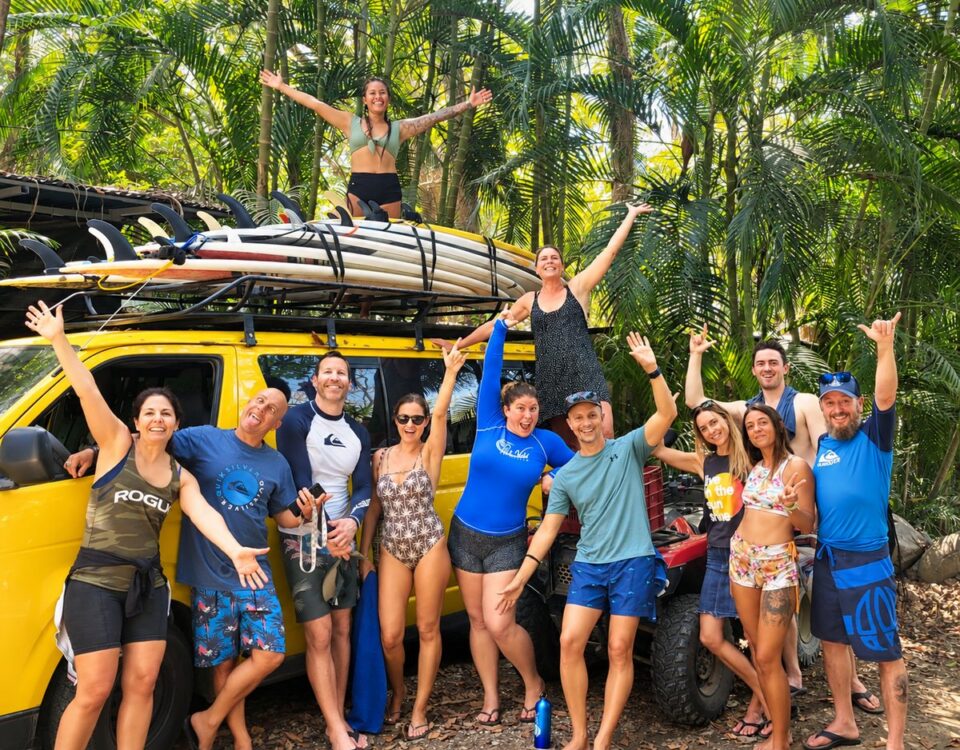
For first-time visitors — especially those traveling solo or without a fully mapped plan — a surf and yoga retreat takes the logistical weight off entirely. Accommodation, meals, surf lessons, yoga classes, and community are all built in. You arrive, drop your bag, and step straight into the rhythm of the place.
Pura Vida Adventures runs small, well-run surf and yoga retreats in Santa Teresa designed specifically for this — with a focus on women, beginners, and solo travelers who want structure without losing the magic. Their carefully selected accommodations put you right in the heart of it.
Current retreats include a Women’s Surf & Yoga Retreat, a Women 50+ Retreat, and a Mother-Daughter Retreat running July 19–25, 2026 — small groups, experienced instructors, and community as much as instruction.
Explore Upcoming PVA Retreats →
Final Thoughts
Santa Teresa rewards the kind of traveler who’s willing to slow down, get a little dusty on the road in, and follow the rhythm of the ocean. The logistics take planning. The roads are real. And yes, you might end up having the best ceviche of your life at a table with no menu and no Wi-Fi.
That’s the deal — and it’s a genuinely good one. Bookmark this Santa Teresa Costa Rica travel guide and start planning. If the place is calling, explore upcoming Pura Vida Adventures retreats and see how to arrive ready.